

Design Calm That Sparks Deep Work
Today we explore focus-friendly home spaces with practical ideas that blend design, psychology, and routine. From lighting choices that nudge your circadian rhythm to soundscapes that quiet background chatter, you’ll find ways to shape a room that supports deep work, steady energy, and gentle recovery. Bring your questions, share photos of your setup, and let’s refine the corners of your home so attention feels natural, sustainable, and genuinely enjoyable every day.
Map Your Cognitive Hotspots
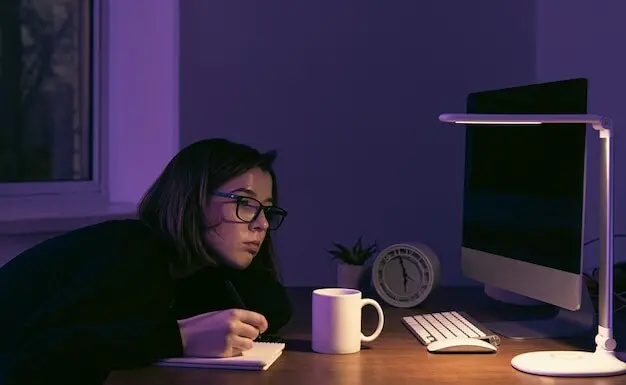
Sketch where you naturally drift into concentration, where you wander, and where you recharge. Observe a week of patterns, then align furniture to reinforce what already works. I once slid a desk ninety degrees toward a window and immediately cut afternoon fidgeting. The trick is to pair your clearest moments with your clearest spaces, letting muscle memory guide you back whenever motivation feels scarce or noisy distractions try to steal attention.
Create Soft Barriers That Speak Volumes

Use visual markers—plants, a low bookcase, curtain panels, or a folded screen—to suggest boundaries without boxing yourself in. These soft edges tell guests and family that something intentional happens here, gently curbing interruptions. Choose textures that absorb sound and colors that calm peripheral vision. A dedicated lamp or task light can function like a doorbell’s reverse, signaling deep work is in session. Consistency transforms these quiet signals into shared, respectful household language.
Daily Resets For Reliable Boundaries
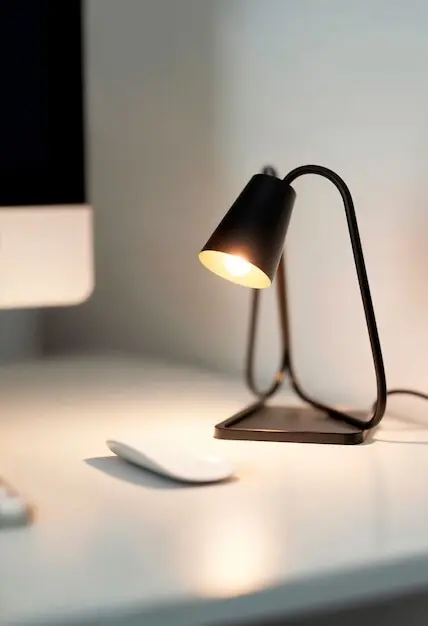
End each session with a two-minute reset: clear the surface, return tools to one container, and leave a visible next step ready. This tiny ritual preserves your zone’s identity overnight and lowers the threshold to begin tomorrow. I add a sticky note with a single verb—draft, outline, review—which greets me like a friendly usher. When your environment holds your place, you stop wasting energy restarting, and your space becomes a faithful partner in progress.

Daylight First, Then Layer With Intention
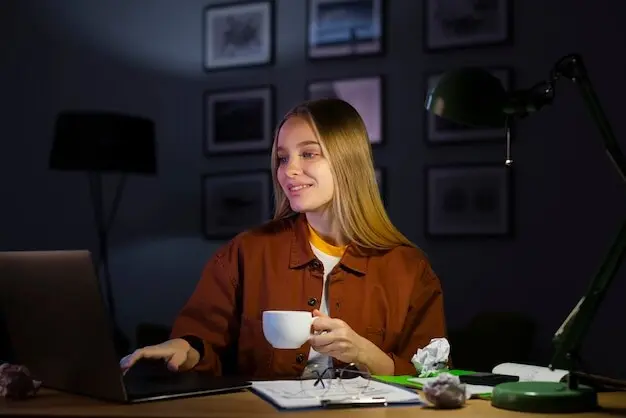
Aim for diffused daylight across your desk rather than direct sun on your screen. A sheer curtain softens brightness while preserving outdoor cues that regulate alertness. Add ambient ceiling or wall lights to prevent harsh contrast, then place a focused task lamp slightly opposite your dominant hand to avoid shadows. Small adjustments compound; a simple blind tilt can reduce squinting, screen fatigue, and those subtle headaches that quietly erode momentum hour after hour.
Tune Color Temperature To Task And Time
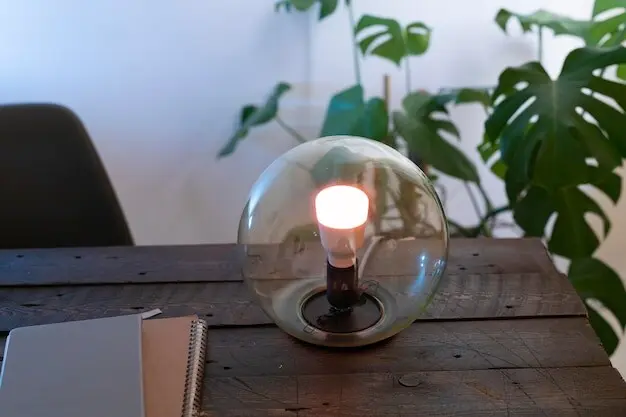
Cooler light supports analytical work, while warmer light relaxes the nervous system for reflection, planning, or evening wind-down. Try 5000K during complex problem-solving, shifting toward 3000K as the day closes. Smart bulbs make experimentation painless; note how your mood and reading stamina respond. By anchoring predictable light shifts to your schedule, you transform hours that once blurred together into distinct, supportive chapters, each with the emotional climate your focus needs most.
Absorb, Block, Mask—In That Order
Start by reducing echoes with rugs, plush seating, or acoustic panels rated with a helpful NRC score; fewer reflections mean fewer distractions. Next, block intrusions at the source with weatherstripping, door sweeps, or heavier curtains. Finally, mask the remnants using pink noise or steady ambience. When the room stops bouncing sound around, your mind stops bracing for the next interruption. It feels like turning static into clarity, invitation, and a grounded working presence.

Craft A Personal Audio Ritual
Choose one consistent soundtrack for deep work—gentle piano, brown noise, or nature loops—and reserve it exclusively for focused sessions. Over time, your brain stitches that sound to sustained attention, accelerating entry into flow. Keep volume low enough to remain calming yet present. My playlist opens with distant rain that has become a Pavlovian doorway to clarity. Share your go-to tracks in the comments so we can build a community-tested library together.

Silence The Invisible Culprits
Small, persistent noises—a humming fan, rattling vent, or hard-chair scrape—erode focus like slow drips. Tighten loose fixtures, add felt pads under chair legs, and select low-sone appliances for adjacent rooms. A door cushion stops late-night creaks that feel louder when tired. Keep a tiny toolkit nearby: tape, felt dots, weatherstrip. Fixing ten tiny frictions can outperform one grand solution, restoring calm bandwidth that once leaked away without you noticing until productivity collapsed.
Ergonomics That Disappear
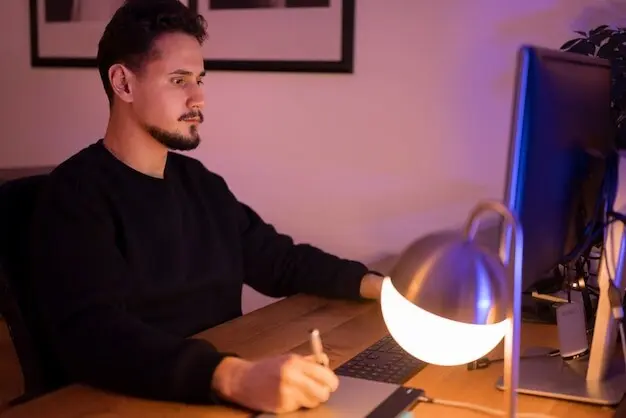
Good ergonomics vanish into the background, freeing attention for the work itself. Adjust chair height so feet rest flat, elbows hover around ninety degrees, and the monitor top aligns near eye level. Keep the screen an arm’s length away, use a supportive chair, and schedule micro-movements. Adopt the 20-20-20 eye rule and gentle stretches. When comfort becomes consistent, motivation stops fighting discomfort, and your space quietly champions endurance, creativity, and a kinder relationship with effort.
Begin with seat height that plants your feet, knees roughly level with hips, and shoulders relaxed. Raise or lower the desk so forearms float parallel to the surface; angle the monitor to prevent neck strain. A laptop stand and external keyboard can transform posture overnight. I once borrowed a spare keyboard, and my wrist pain—weeks old—faded within days. Tiny, reversible improvements often outpace expensive upgrades when they are intentional, consistent, and well observed.
Build movement into your tasks so your body never becomes a complaint you must resolve. Stand for calls, pace during brainstorms, and alternate seated positions. A timer nudges micro-stretches every thirty minutes without derailing thought. Consider a footrest or balance cushion to add subtle motion. These shifts refresh circulation and attention without demanding a complete context switch. Your best ideas often arrive during small, rhythmic changes, not marathon stillness that numbs curiosity and courage.
Color, Greenery, And Scent
Your senses set the stage for cognition. Soft neutrals steady the gaze, muted blues can calm while gentle greens restore, and restrained accents add vitality. A few hardy plants brighten air and mood while marking work zones with life. Subtle scents—rosemary for recall, peppermint for alertness, or lavender for recovery—become anchors when used consistently. Keep intensity low and intentional. Over time, these cues collaborate, inviting a grounded focus that feels welcoming rather than forced.


Rituals, Tech Boundaries, And Belonging
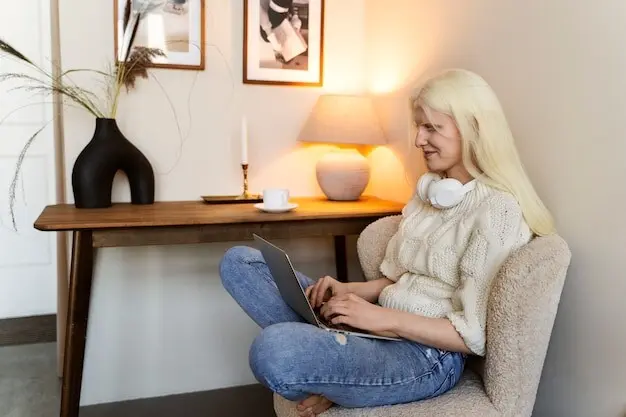
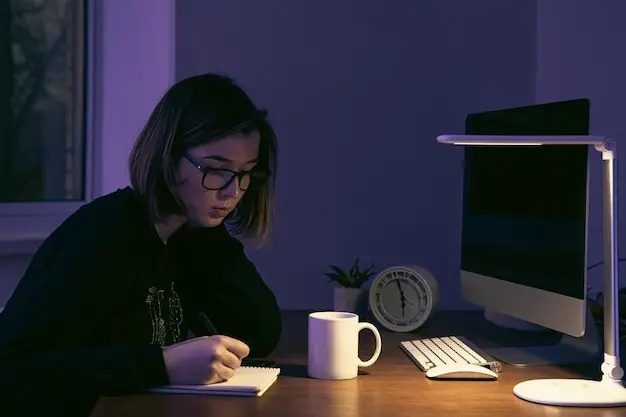
Spaces support attention when habits, tools, and relationships align. Bookend your day with opening and closing cues, set app timers to reduce wandering, and create agreements with housemates about interruption signals. A visible to-do and a gentle timer become anchors that save you from decision fatigue. Celebrate small wins publicly to build accountability. Community makes focus warmer, kinder, and more sustainable, turning a private corner of your home into a shared circle of encouragement.