
Bring Nature Into Focus at Home
Daylight, Views, and Visual Anchors

Harnessing Morning Light

Green Outlooks That Rest the Eyes
Plants That Quiet the Mind and Sharpen Focus
Natural Materials, Textures, and Touch
Warm Wood Surfaces Reduce Visual Noise
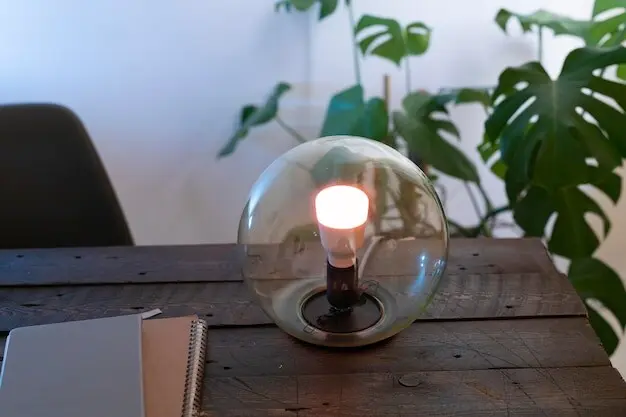
A matte, light-to-medium wood desktop diffuses reflections while offering subtle grain lines that calm the gaze. Unlike high-gloss laminates, wood’s micro-variations reduce harsh contrast with paper edges, easing saccades during reading. Pair with a neutral desk mat to stabilize pen strokes and trackpad control. Rounded edges and warm undertones soften posture, nudging shoulders down and breath deeper. Over hours, this gentle comfort translates into steadier comprehension and fewer impulsive detours toward distracting tabs or notifications.
Tactile Grounding Objects
Keep a palm-sized clay stone, carved wooden token, or knitted wrist wrap near your keyboard. When attention frays, a brief touch anchors awareness in the body without pulling cognition away from the page. Choose textures that are engaging yet quiet, resisting bright colors or gimmicks. Rotate objects seasonally to refresh novelty without excess buying. This ritual supports self-regulation: instead of gripping a phone, your fingers meet calming materiality, and your thoughts find a path back into meaningful work.
Cork, Wool, and Felt for Calm Acoustics
Pinboards of cork, wool blend desk pads, and felt panels soften hard echoes that undermine concentration. These materials absorb flutter echoes around monitors and bookshelves, reducing the subtle fatigue caused by reflective rooms. Choose natural hues that harmonize with plants and wood, maintaining a cohesive field of view. As sound sharp edges fade, reading cadence improves, and small details land more cleanly. The room begins to feel like a supportive cocoon, not a tinny chamber urging rushed decisions.
Calming Soundscapes and Acoustics
Color, Pattern, and Fractal Calm
{{SECTION_SUBTITLE}}

Soothing Green-Blue Palettes

Fractal Art That Feeds Attention
Air, Scent, and Thermal Ease
Fresh Air and CO2 Awareness
Open windows when weather and noise permit, or run a quiet purifier near your study zone. If possible, monitor CO2 with an affordable sensor to learn how quickly levels climb during deep work. Refresh air before focus blocks, not after you feel sluggish. Plants modestly support air quality and humidity, but ventilation does the heavy lift. Pair airflow with a brief stretch at the window, letting your gaze meet distance so your next reading stint begins crisp.
Subtle Natural Scents and Memory
Open windows when weather and noise permit, or run a quiet purifier near your study zone. If possible, monitor CO2 with an affordable sensor to learn how quickly levels climb during deep work. Refresh air before focus blocks, not after you feel sluggish. Plants modestly support air quality and humidity, but ventilation does the heavy lift. Pair airflow with a brief stretch at the window, letting your gaze meet distance so your next reading stint begins crisp.
Thermal Variety That Keeps You Awake
Open windows when weather and noise permit, or run a quiet purifier near your study zone. If possible, monitor CO2 with an affordable sensor to learn how quickly levels climb during deep work. Refresh air before focus blocks, not after you feel sluggish. Plants modestly support air quality and humidity, but ventilation does the heavy lift. Pair airflow with a brief stretch at the window, letting your gaze meet distance so your next reading stint begins crisp.