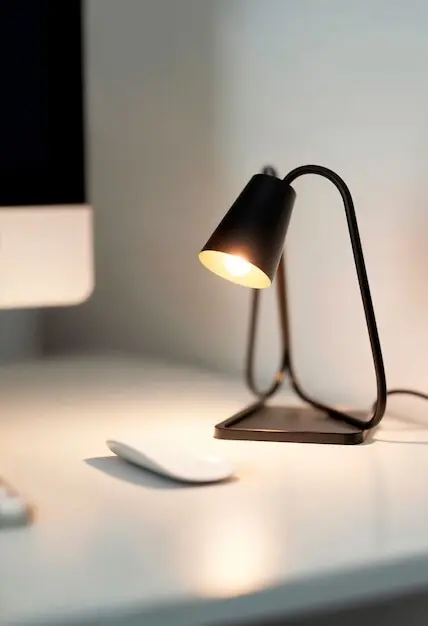
Make Focus Easier at Home: ADHD-Smart Workspace Design

Today we explore ADHD-friendly home workspace principles for better focus, turning daily friction into glide. Expect practical layouts, sensory-aware choices, and tiny rituals that cue action. I’ll share evidence-informed tactics, personal wins and stumbles, and gentle experiments you can try this week, starting small and celebrating momentum.

Start with Clarity: Reduce Friction, Increase Flow

Clarity is not about perfection; it is about lowering activation energy so starting costs less than avoiding. For many ADHD brains, interest and immediacy drive action, so the room must supply both. We will map surfaces, entrances, and sightlines to reduce friction, spark curiosity, and invite quick wins.

Soundscapes That Support Focus

Try pink or brown noise, instrumental playlists around 60–80 beats per minute, or nature loops that mask sudden spikes. Keep headphones within reach but not hidden. For calls, good microphones and echo-absorbing panels reduce fatigue. Share your favorite tracks below, and borrow ours to test during urgent sprints.

Textures and Seating That Soothe

Alternate chairs with a supportive stool or balance cushion to invite micro-movements without disruption. Add a soft rug for grounding and a smooth desk mat that feels pleasant under the wrists. Tactile comfort quiets background stress, freeing mental bandwidth for planning, sequencing, and actually finishing important work.

Time Lives in Space: Externalize Schedules

Time becomes slippery when it stays in your head. Move it onto walls and surfaces where you cannot ignore it. Visible timers, task lanes, and day maps provide gentle pressure without shaming. These concrete cues interrupt rabbit holes and make progress satisfyingly obvious, task after task.

Analog Timers in Sightline

Choose a quiet countdown timer with a red disk or large numerals, and place it at the edge of your vision. External time keeps sprints honest and breaks predictable. When your eyes notice dwindling red, your brain renegotiates priorities before attention fully drifts away.

Task Queues You Can Touch

Build three columns on a magnetic board: Now, Next, and Parking Lot. Move cards with your hands, not just your cursor. Tactile engagement locks choices in memory and limits scope creep. Finishing a card means relocating it to a Done row you cannot miss.

Doorway Routines Start and Stop

Cluster cues around your entry: hang headphones, timer, and a brief checklist just inside reach. When you arrive, touch each item in order, beginning a short sequence that slides you into work. On exit, power down, note tomorrow’s first step, and physically clear the surface.

See Only What Matters: Visual Management

Visual clutter is loud. Hide irrelevant objects behind doors, covers, or color-matched containers, then spotlight only the next action. Strong contrasts attract attention; use them sparingly for high-value cues. This quieting strategy opens cognitive bandwidth, turning scanning into choosing, and choosing into steady, repeatable execution throughout the day.

Move to Think: Gentle Stimulation Without Derailment

The body wants to help the brain. Gentle movement, rhythmic fidgets, and occasional position changes provide steady stimulation that smooths spikes and dips. Instead of outlawing restlessness, give it rails. Designed outlets reduce self-judgment and keep attention in the lane long enough to finish meaningful work.

Tame the Digital Storm

Digital clutter multiplies faster than paper. Design defaults that protect attention by making distractions slower and meaningful work faster. Build layered notifications, sandbox entertainment, and create one-click scenes that launch deep work. Your devices can become rails for focus instead of catapults into endless, foggy scrolling.

Maintain Without Willpower: Routines That Stick

Systems fail when they rely on heroic effort. Build resets and reviews that fit into real life, even messy days. Small rituals repair flow faster than guilt. Expect seasons to change; adapt rather than scrap. Community check-ins help you return with curiosity, not criticism, after disruptions.

Novitarinexosentodexo
Privacy Overview

This website uses cookies so that we can provide you with the best user experience possible. Cookie information is stored in your browser and performs functions such as recognising you when you return to our website and helping our team to understand which sections of the website you find most interesting and useful.