Craft Calm Pockets in Lively Open-Plan Homes

Today we’re exploring creating focus zones in open-plan homes for families, transforming generous shared layouts into supportive places for deep work, homework, quiet play, and mindful rest. Expect practical floor maps, sound strategies, rituals, and real family stories that make attention feel welcomed, not squeezed, and invite you to try small changes tonight and share back what worked.

Why Concentration Needs Protection in Shared Spaces

Modern open layouts invite connection yet scatter attention unless we intentionally shelter it. Children switching between math and LEGO, parents balancing calls and cooking, grandparents visiting on weekends—all need predictable pockets of calm. We will blend neuroscience basics, gentle boundaries, and warm routines so focus becomes repeatable, kind, and genuinely family-friendly without turning your home into a library or a no-fun zone.

Seeing Your Floor Plan Like a Map of Energy

Before buying a single bin, observe. Notice how morning light crosses the room, where shoes pile up, how sound drifts from kitchen to play area, and which corners attract daydreaming. Turn these observations into a living map. Mark zones for flow, pause, and recovery, ensuring high-energy paths steer around islands of focus, so activity supports attention instead of trampling it.

Quiet Boundaries Without Building Walls

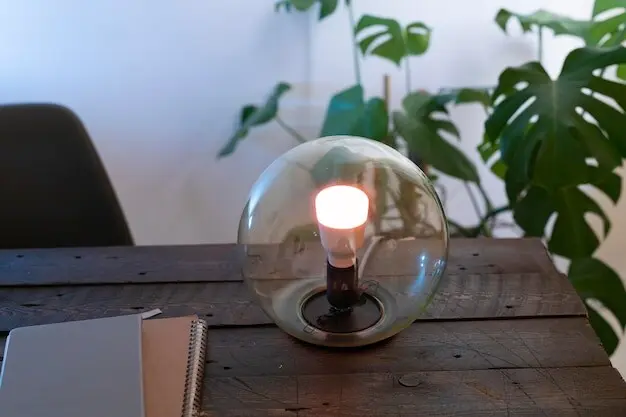
You do not need construction to create sanctuary. Layer signals that whisper purpose: a rug that anchors, a pendant that halos a desk, a bookshelf that suggests a threshold, and a plant that softens edges. These cues guide movement kindly. With thoughtful placement, even a single room can host lively play, focused writing, and dinnertime laughter without tripping over each other’s needs.

Family-Proof Acoustics, Storage, and Tech Taming

Focus dies in clutter and echo. Pair storage within arm’s reach of tasks, train devices to dock in predictable homes, and cushion the room with sound-smart materials. Tidy cords, labeled trays, and gentle sound masking make attention durable. These choices prevent nightly scavenger hunts, fight-or-flight hearing spikes, and frazzled endings, replacing them with smooth starts, graceful pauses, and confident finishing touches.


Rituals That Tell Everyone It’s Focus Time

Environments whisper, but rituals speak clearly. Little ceremonies open and close effort: a candle lit for fifteen minutes of handwriting, a bell that ends homework kindly, a shared stretch before cleanup. Routines replace reminders and help siblings coordinate. Add visual schedules, playful timers, and celebratory checkmarks. Invite readers to share their rituals in the comments, inspiring others with real, family-tested ideas.

Mobile Caddies, Trays, and Rolling Dividers

A wheeled cart turns any corner into a studio. Stock it lightly to keep movement easy: top shelf for essentials, middle for current projects, bottom for backups. Add a magnetic clip for checklists. Rolling dividers, like paneled screens or book trolleys, carve instant privacy. This mobility keeps the heart of an open room intact while delivering focus exactly where today requires.

Foldaway Desks and Layered Surfaces

Wall-mounted drop desks disappear after use, protecting evenings from the visual noise of unfinished tasks. Nesting tables create tiers for siblings sharing space, while a sturdy lap desk supports quiet reading on the sofa. By giving work a clean exit, you protect relationships from spillover stress. The room returns to hospitality mode without erasing momentum for tomorrow’s meaningful efforts.
Novitarinexosentodexo
Privacy Overview

This website uses cookies so that we can provide you with the best user experience possible. Cookie information is stored in your browser and performs functions such as recognising you when you return to our website and helping our team to understand which sections of the website you find most interesting and useful.